
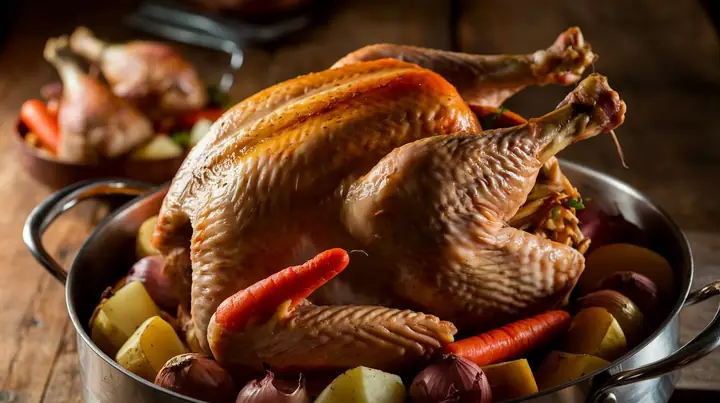
Transform your approach to weight management with these healthy turkey recipes for dinner that prove nutritious eating can be both satisfying and delicious. Turkey serves as a powerhouse lean protein, offering versatility that fits seamlessly into any dietary lifestyle while supporting sustainable weight loss goals. This comprehensive guide distills expert culinary knowledge and nutritional science into practical, actionable recipes you can master tonight.
Có thể bạn quan tâm: Cách Làm Gà Nướng Muối Ớt Bằng Lò Vi Sóng Chuẩn Vị
Có thể bạn quan tâm: Hướng Dẫn Làm Sữa Chua Tự Tại Nhà: Hình Ảnh Minh Họa Từng Bước Chi Tiết
Why Turkey is the Ultimate Lean Protein for Weight Loss
Turkey earns its reputation as a premier healthy protein due to its exceptional nutritional profile. A 3-ounce serving of skinless turkey breast delivers 24 grams of high-quality protein for just 125 calories, with a biological value that rivals eggs. This lean meat provides all nine essential amino acids crucial for muscle preservation during calorie restriction—a key factor in maintaining metabolic rate. According to USDA FoodData Central, turkey breast contains approximately 1 gram of total fat per 3-ounce serving, with less than 0.5 grams of saturated fat, making it dramatically leaner than most red meats.
The micronutrient density further enhances its weight loss utility. Turkey is rich in selenium, which supports thyroid function and antioxidant defense, and B-vitamins (particularly B6 and B12) that drive energy metabolism. Research in the American Journal of Clinical Nutrition highlights that high-protein diets featuring lean poultry like turkey increase satiety hormones like peptide YY and GLP-1 while reducing ghrelin, helping control appetite naturally. These attributes position turkey not just as a food, but as a strategic tool in any healthy eating plan.
Có thể bạn quan tâm: Măng Tây Xào Thịt Bò Cho Bà Bầu: Công Thức Chuẩn Vị, An Toàn & Bổ Dưỡng
15 Best Healthy Turkey Recipes for Weight Loss (Detailed Guide)
Ground Turkey Recipes: Quick, Versatile, and Nutrient-Dense
Ground turkey’s adaptability makes it ideal for rapid weeknight cooking while delivering consistent lean protein. The key is selecting 93% lean or higher to minimize fat content without sacrificing moisture.
1. Turkey & Vegetable Stuffed Bell Peppers
This vibrant dish combines 1 pound of 93% lean ground turkey with diced zucchini, onion, and no-salt-added tomatoes. Each bell pepper becomes a edible vessel packed with 28 grams of protein and only 245 calories. The technique: sauté turkey with vegetables until just cooked, then mix with ½ cup cooked quinoa for added fiber. Stuff into halved bell peppers and bake at 375°F for 25 minutes. The result is a complete meal where the vegetable fiber slows digestion, enhancing satiety.
2. Mediterranean Turkey Skillet
A one-pan wonder requiring 20 minutes. Brown 1 pound ground turkey with garlic, then add 1 cup cherry tomatoes, ½ cup kalamata olives, and 2 cups fresh spinach. Finish with ¼ cup crumbled feta and oregano. This easy healthy turkey recipe for dinner provides 26g protein per serving. The monounsaturated fats from olives and feta improve absorption of fat-soluble vitamins from the vegetables while adding heart-healthy dimensions to your weight loss plan.
3. Turkey Chili Con Carne (Bean-Free)
For strict low carb adherence, replace beans with extra vegetables. Sauté 1 pound ground turkey with onions, bell peppers, and 2 tablespoons chili powder. Add 1 cup diced cauliflower and 14-ounce can crushed tomatoes. Simmer 30 minutes. Each bowl offers 30g protein and only 12g net carbs. The capsaicin in chili powder may mildly boost metabolism, while the high fiber from cauliflower promotes fullness.
4. Asian-Inspired Turkey Lettuce Wraps
Use 1 pound ground turkey cooked with ginger, garlic, and 2 tablespoons coconut aminos (or low-sodium soy sauce). Serve over butter lettuce leaves with shredded carrots and cucumber. At 22g protein and 6g carbs per serving, these wraps offer a crisp, refreshing alternative to heavy meals. The lettuce provides crunch without carbs, while the turkey delivers sustained energy.
Turkey Breast Recipes: Maximum Protein, Minimal Prep
Turkey breast is the leanest cut, perfect for low carb and ketogenic diets. The challenge is preventing dryness—solved through proper cooking techniques.
5. Herb-Crusted Turkey Breast with Roasted Vegetables
Bone-in turkey breast (3-4 lbs) brushed with olive oil and coated in a paste of fresh rosemary, thyme, garlic, and Dijon mustard. Roast at 325°F until internal temperature reaches 165°F (about 20 minutes per pound). Serve with roasted Brussels sprouts and cauliflower. This healthy turkey breast recipe yields 4-6 servings with 30g protein and under 5g net carbs per portion. The bone-in method retains moisture naturally.
6. Turkey Breast “Steaks” with Lemon-Herb Butter
Slice turkey breast crosswise into ½-inch thick “steaks.” Pound gently to even thickness. Season and sear 3-4 minutes per side until golden. Finish with a compound butter of lemon zest, parsley, and garlic. Each 6-ounce steak provides 38g pure protein. The quick cooking method prevents protein toughening, ensuring tenderness.
7. Slow-Cooker Turkey Breast with Apple-Onion Gravy
Place 3 lb turkey breast in slow cooker with 2 chopped apples, 1 sliced onion, and 1 cup low-sodium chicken broth. Cook on low 6-7 hours. Shred and serve with the naturally sweetened gravy. This hands-off method yields incredibly moist meat ideal for meal prep. The apples add fiber and natural sweetness without refined sugar.
8. Turkey Breast Lettuce Wraps with Peanut Sauce
Shred leftover turkey breast and toss with a sauce of natural peanut butter (1 tbsp), lime juice, garlic, and a splash of coconut aminos. Wrap in large lettuce leaves with shredded cabbage and carrots. Provides 25g protein and healthy fats from peanuts that aid in vitamin absorption from the vegetables.
Diced Turkey Recipes: Perfect for Meal Prep
Diced turkey cooks quickly and absorbs marinades beautifully, making it ideal for batch cooking.
9. Turkish-Spiced Turkey & Quinoa Bowl
Marinate 2 lbs diced turkey breast in olive oil, lemon juice, cumin, paprika, and sumac for 30 minutes. Sauté until cooked, then serve over quinoa with roasted eggplant and cucumber-tomato salad. Each bowl delivers 32g complete protein. Sumac’s tart flavor reduces the need for salt, while cumin aids digestion.
10. Mexican Turkey & Black Bean Bowls
Season diced turkey with chili powder, cumin, and lime. Sauté with bell peppers and onions. Combine with ½ cup black beans (rinsed) and ¼ avocado per serving. This healthy diced turkey recipe offers 28g protein and 12g fiber, promoting blood sugar stability crucial for weight loss. The beans provide plant-based protein complementing turkey’s amino acid profile.
11. Turkey & Vegetable Stir-Fry
Use 1 lb diced turkey breast stir-fried with broccoli, snap peas, and bell peppers in a sauce of ginger, garlic, low-sodium soy sauce, and a teaspoon of honey. Serve over cauliflower rice. The high-heat cooking locks in moisture while vegetables retain crunch and nutrients. Provides 30g protein and only 10g net carbs.
12. Turkey & Sweet Potato Hash
Dice 1 lb turkey breast and 2 medium sweet potatoes. Sauté turkey first, remove, then cook sweet potatoes until tender. Add back turkey with black beans and spinach. Top with a fried egg. This nutrient-dense meal offers complex carbs from sweet potatoes for sustained energy, perfect for active days.
Simple 30-Minute Turkey Dinners
For busy weeknights, these recipes minimize active time without compromising nutrition.
13. One-Pan Turkey & Veggie Frittata
Whisk 6 eggs with 2 tbsp milk. Pour over sautéed ground turkey, onions, and any leftover vegetables in an oven-safe skillet. Bake at 375°F for 15 minutes. Provides 25g protein per slice. Eggs add choline for brain health, while the single-pan method eliminates cleanup.
14. Turkey & Broccoli Alfredo (Cauliflower Version)
Sauté 1 lb ground turkey with garlic. Add 1 head cauliflower rice and ½ cup low-fat cream cheese. Stir until creamy. Serve with steamed broccoli. This simple healthy turkey recipe mimics traditional Alfredo with 75% fewer calories and 10g net carbs per serving.
15. Turkey & White Bean Soup
Simmer 1 lb ground turkey with 2 cans low-sodium white beans, diced tomatoes, and chicken broth. Add kale in the last 5 minutes. Each bowl has 28g protein and 15g fiber. The broth-based format increases volume without calories, enhancing satiety through stomach stretching.
Có thể bạn quan tâm: Luộc Măng Bao Nhiêu Phút? Hướng Dẫn Chi Tiết Từ A Đến Z
Advanced Techniques to Maximize Turkey’s Weight Loss Benefits
Moisture Retention Strategies
Turkey breast’s leanness makes dryness a common issue. Always:
- Brine for 4-6 hours in saltwater solution (¼ cup salt per 4 cups water) before cooking.
- Rest cooked turkey 10 minutes before slicing to allow juices to redistribute.
- Cook to exact temperature (165°F for breast, 175°F for dark meat) using a meat thermometer.
- Consider bone-in, skin-on for roasts—the skin baste the meat, and you can remove it post-cooking.
Flavor Amplification Without Calories
- Umami boosters: Tomato paste, mushrooms, nutritional yeast, or a dash of fish sauce.
- Acidity: Fresh lemon juice or vinegar brightens flavors, reducing salt need.
- Aromatics: Garlic, onions, shallots, ginger, and fresh herbs add depth with negligible calories.
- Smoke: Use smoked paprika or a stovetop smoker for barbecue flavor without sugary sauces.
Smart Pairings for Enhanced Nutrition
Combine turkey with:
- Fiber-rich vegetables to slow digestion and stabilize blood sugar.
- Healthy fats (avocado, olive oil, nuts) to increase satiety and aid vitamin absorption.
- Complex carbohydrates (quinoa, sweet potato) in controlled portions for energy.
- Fermented foods (sauerkraut, kimchi) to support gut health, which research links to easier weight management.
Nutritional Comparison: Turkey vs. Common Proteins
| Protein Source (3 oz cooked) | Calories | Protein (g) | Total Fat (g) | Saturated Fat (g) | Key Weight Loss Advantage |
|---|---|---|---|---|---|
| Turkey Breast (skinless) | 125 | 24 | 1 | 0.3 | Highest protein-to-calorie ratio |
| Chicken Breast (skinless) | 130 | 25 | 2.7 | 0.8 | Widely available, versatile |
| Lean Ground Turkey (93%) | 120 | 21 | 4 | 1.2 | Versatile for multiple dishes |
| Lean Beef (95% lean) | 145 | 22 | 5 | 2 | Higher iron, but more calories |
| Pork Tenderloin | 120 | 21 | 3 | 1 | Good thiamine content |
| Salmon (wild) | 155 | 22 | 7 | 1.2 | Omega-3s reduce inflammation |
Turkey uniquely combines extreme leanness with high protein density, making it exceptionally efficient for calorie-controlled eating.
Meal Prep Mastery with Turkey
Effective meal prep prevents decision fatigue and ensures healthy choices remain convenient.
Turkey Meal Prep Framework
- Sunday: Cook 3 lbs turkey breast (roast) and 2 lbs ground turkey (sautéed plain).
- Portion: Divide into 4-oz servings (about 150 calories, 28g protein).
- Store: Keep plain turkey in airtight containers for 4 days, or freeze for 3 months.
- Assemble: Each evening, combine a protein portion with different vegetables and sauces to create variety:
- Night 1: Turkey + roasted sweet potatoes + green beans
- Night 2: Turkey + cauliflower rice + stir-fry vegetables
- Night 3: Turkey + quinoa + Mediterranean salad
Freezing Guidelines
- Cool cooked turkey completely before freezing.
- Portion into meal-sized amounts.
- Use vacuum sealing or remove air from freezer bags.
- Label with date; use within 3 months for optimal quality.
- Thaw overnight in refrigerator, never at room temperature.
Addressing Common Turkey Cooking Mistakes
Problem: Dry Turkey Breast
Cause: Overcooking or cooking at too high heat.
Solution: Use a meat thermometer. Remove from heat at 160°F; residual heat will bring it to 165°F. Brining or injecting with broth adds moisture.
Problem: Bland Ground Turkey
Cause: Underseasoning or cooking without developing fond.
Solution: Season generously with salt, pepper, and aromatics. Don’t overcrowd the pan—cook in batches if necessary to allow browning (Maillard reaction creates flavor).
Problem: Turkey Sticking to Pan
Cause: Pan not hot enough or moving meat too soon.
Solution: Heat pan until a drop of water sizzles and evaporates instantly. Add oil, then turkey. Let it sear undisturbed for 2-3 minutes before flipping.
Problem: Fat Accumulation in Ground Turkey
Cause: Using lower lean percentages (85% or less).
Solution: Always select 93% lean or 99% fat-free. After cooking, drain on paper towels. For extra leanness, cook ground turkey, then rinse under hot water in a colander (removes up to 30% residual fat).
Optimizing Turkey for Specific Dietary Lifestyles
For Ketogenic Diets
- Focus on turkey breast and dark meat for higher fat content.
- Pair with avocado, olive oil, and full-fat cheese.
- Avoid breading or sugary sauces; use almond flour coatings if needed.
- Target 70-80% calories from fat, 20-25% from protein, 5-10% from carbs.
For Mediterranean Diet
- Use olive oil as primary fat.
- Emphasize vegetables, legumes (in moderation), and whole grains like farro or bulgur.
- Flavor with lemon, herbs, and garlic rather than salt.
- Include fish 2-3 times weekly alongside turkey.
For Diabetic Management
- Pair turkey with high-fiber, low-glycemic vegetables.
- Avoid honey or sugary marinades; use vinegar and spices.
- Monitor portions: 4 oz turkey + 2 cups non-starchy veggies is a balanced plate.
- The high protein content helps stabilize post-meal blood glucose.
For Anti-Inflammatory Diets
- Choose organic, pasture-raised turkey when possible to avoid antibiotic residues.
- Cook with turmeric, ginger, and garlic—natural anti-inflammatories.
- Avoid processed turkey products (deli meats, sausages) high in sodium and preservatives.
- Balance with omega-3 rich foods like walnuts and flaxseeds.
Frequently Asked Questions
What’s the healthiest cooking method for turkey?
Answer: Moist-heat methods like poaching or steaming preserve nutrients best, but dry-heat methods like roasting, baking, or grilling without added fats are equally healthy if not overcooked. The healthiest approach is method-agnostic—focus on not adding excess oils, sugars, or sodium. Poached turkey breast retains 95% of B-vitamins versus 85% in fried versions.
How much turkey should I eat weekly for weight loss?
Answer: For active adults, 16-24 ounces of lean turkey weekly fits within standard protein recommendations (0.7-1g per pound of body weight). Spread across 3-4 meals, this provides 100-150g protein weekly. Rotate with other lean proteins (fish, chicken, legumes) to ensure nutrient diversity and prevent boredom.
Is ground turkey or turkey breast better for weight loss?
Answer: Turkey breast is marginally leaner (0g carbs, 1g fat vs. ground’s 2-4g fat per serving). However, ground turkey’s versatility often leads to more consistent consumption. Choose 93% lean or higher ground turkey, and consider mixing ground breast with ground dark meat (70/30 blend) for better moisture while keeping fat under 5g per serving.
Can I eat turkey every day?
Answer: Daily consumption is safe if you vary preparation methods and accompaniments. However, rotating protein sources prevents potential sensitivities and ensures a broader nutrient intake. Include fish 2x weekly for omega-3s and plant proteins like lentils for fiber diversity. Daily turkey is acceptable during active weight loss phases but should be part of a varied diet long-term.
How do I make turkey taste better without adding calories?
Answer: Master flavor layering: start with aromatics (onion, garlic), add herbs (fresh rosemary, thyme), incorporate acidity (lemon, vinegar), and finish with umami boosters (mushroom powder, nutritional yeast, tomato paste). Dry-brining (salting 1 hour before cooking) seasons deeply without liquid retention. Spices like smoked paprika, cumin, and coriander add complexity without calories.
Is organic turkey worth the extra cost for weight loss?
Answer: Organic certification ensures no antibiotics or synthetic hormones, which may benefit gut microbiome and reduce exposure to residues. However, the nutritional difference between organic and conventional turkey is minimal. Prioritize lean cuts and proper cooking over organic status if budget constrained. If possible, choose pasture-raised for potentially higher omega-3 content.
What are the best turkey substitutes if I don’t like it?
Answer: For similar leanness and protein density: skinless chicken breast, pork tenderloin, or very lean beef (95% lean). For vegetarian options: tempeh, seitan (wheat gluten), or a blend of lentils and mushrooms for meaty texture with comparable protein per calorie.
Conclusion
These healthy turkey recipes for dinner demonstrate that effective weight loss nutrition doesn’t require deprivation. By understanding turkey’s unique properties—its high protein density, low calorie count, and incredible versatility—you can build a sustainable eating pattern that satisfies both palate and health goals. The key is mastering basic techniques to ensure tenderness, leveraging herbs and spices for flavor without calories, and pairing strategically with vegetables and healthy fats. Start with one recipe this week, master it, then expand your repertoire. Consistent application of these principles will transform your dinner routine into a powerful tool for lasting health transformation. For more healthy recipes and culinary techniques, explore the extensive resources available at sadhu.vn.